The most interesting releases of the week(s)!
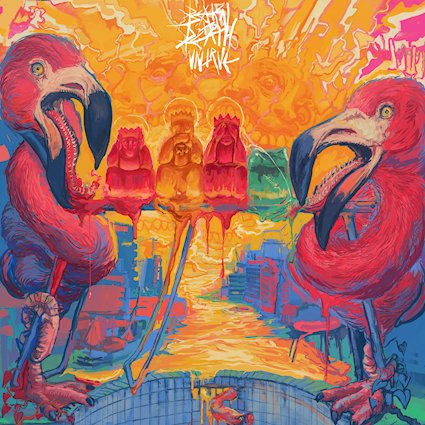
Vntrve, released on Mas-Kina Recordings, continues Beaten To Death‘s reign as the best grindcore band around. Their brightly-colored, kitchen-sink approach to grindcore is as exploratory as its ever been. The band unmistakably plays grindcore. But they manage to blend so many ideas together, wedge so many different approaches into a 2-mintue capsule, that it’s impossible to know what will happen next. Yet I always get flabbergasted by how Beaten To Death manage to keep their riffs catchy and central to their songs.
The only thing better than Beaten To Death‘s songwriting is their performances. Approaching a blisteringly fast song twelve different ways at once can’t be easy, but the band makes it sound downright trivial on Vtnrve. Beaten To Death pepper pinpoint tempo changes and crashing unions throughout the album, and the expressive manner and focus with which the band plays these moments keeps their past albums fresh and exciting after years and countless listens. Come for the grindcore, stay for the sax solo.
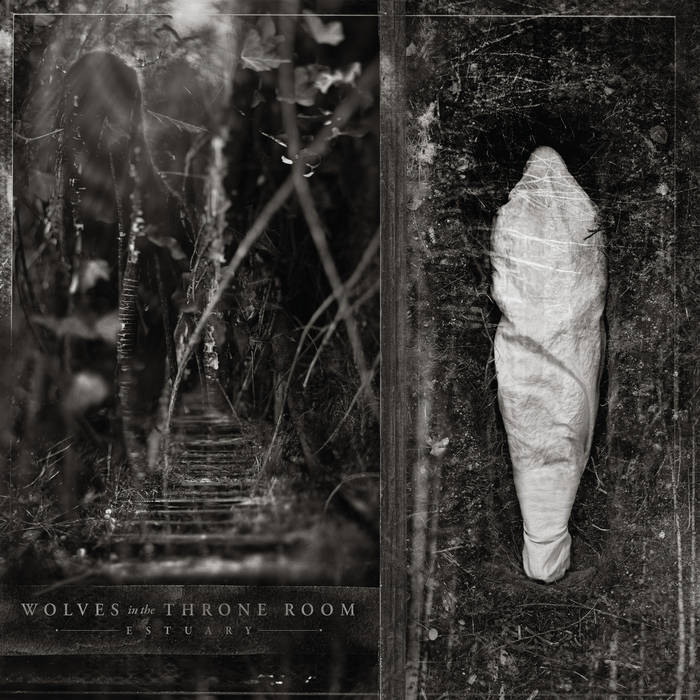
The latest atmospheric black metal release from the genre’s giants, Estuary, was released on Relapse Records. Fans know what to expect: Mid-tempo moments of soaring catharsis and heart-wrenching depths spread over stretched-out black metal tracks while the band uses full-ensemble efforts to create emotional impact rather than catchy guitar moments. Estuary contains some guitar harmonies with satisfying short-term resolutions that simultaneously contribute to the larger song structure and bounce off of the vocals for a variety of effects.
My biggest problem with Wolves in the Throne Room in the past has been their tendency to ramble. They can soar to heights as well as anyone, and their music always manages a floor of clever within an individual passage, but they haven’t always gotten their music to connect on the album-scale in a manner that makes every moment feel necessary. Estuary does plenty of wandering. But it never sounds pointless or confused at itself. There’s plenty of repetition and plenty of iteration, which Wolves in the Throne Room combine to cement their versimilitude. While this won’t displace Two Hunters at the top of their catalog, Estuary has everything that a Wolves in the Throne Room album needs to be worth the listen from beginning to end.
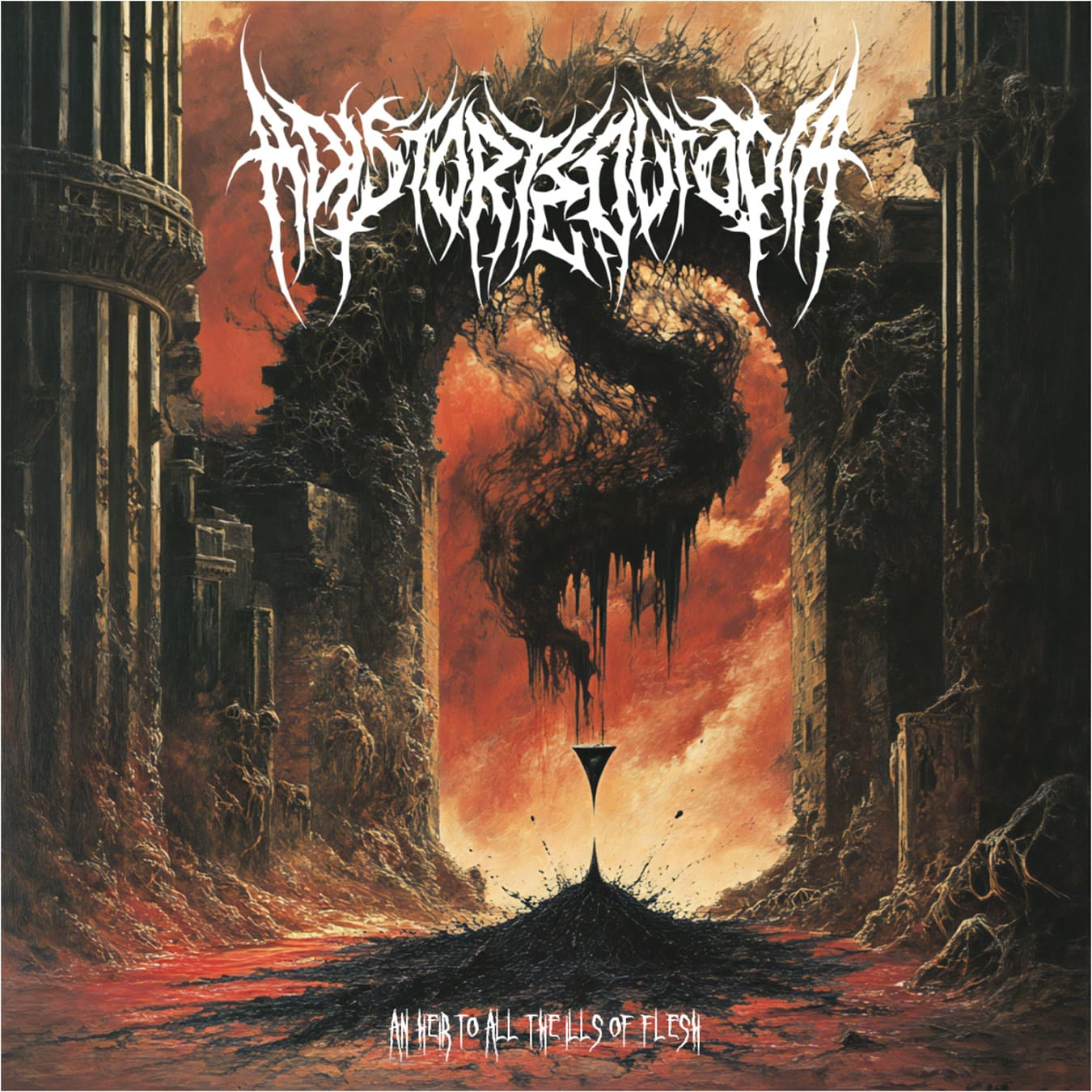
An Heir To All The Ills Of Flesh is an independently-released one-man technical death metal album. From the opening arpeggiating, you know what you’re in for. The clean production lets you easily hear the excellent counterplay between the drums and the guitars. The riffs are memorable and catchy. And the guitar solos are so, so satisfying. A Distorted Utopia don’t advance their genre, but they have dropped one of the most exciting death metal albums of 2011.
A Distorted Utopia take full advantage of syncopation on An Heir To All The Ills Of Flesh. An album of on-the-beat arpeggios would get stale quickly, but the variety of drum beats and moments of emphasis in the guitar line give this album life. However good the drums or vocals may sound, this is guitar music and it thrives on a constant onslaught of virtuosic riffs. A Distorted Utopia have just managed to put plenty care and control into their music, giving every note the tone that it needs and placing it in the right moment, that I’m wondering why this band isn’t talked about more.
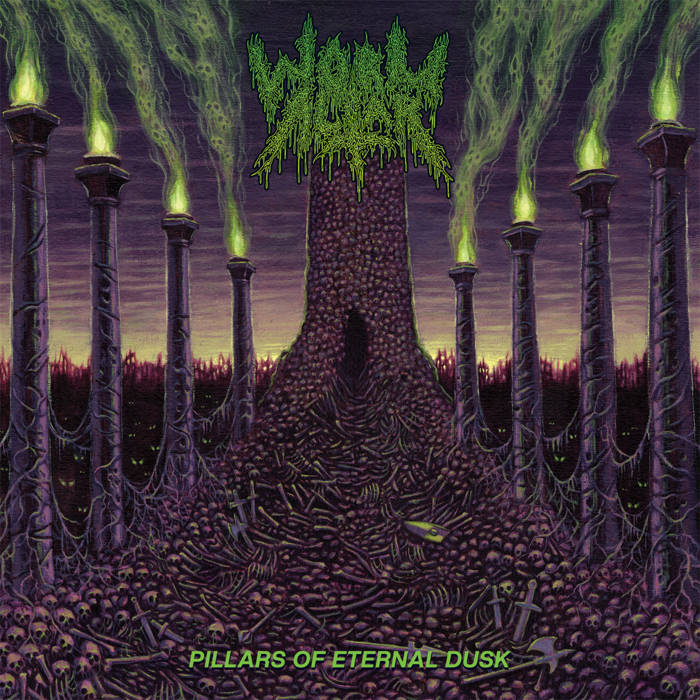
Pillars Of Eternal Dusk, Worm Altar‘s debut full-length, was released on Dawnbreed Records and Gurgling Gore. This is a death/doom release with a nice, fuzzy guitar tone. Worm Altar write direct, simple riffs that sound designed to leave buzzing distortion as your lasting memory of the record rather than any single note. The guttural vocals are a satisfying addition. It’s also satisfying to hear an album be this murky and also give the bass space to exist.
Even by death/doom standards, this is a slow one. The feeling of time distortion that Worm Altar give the listener is partially an artifact of songwriting, with the band hyper-focusing on one note at a time in the guitar lines for large chunks of their songs. The drums also serve a vital purpose here. The half-time beats underneath the string chugging maximize the effect of the repetition in the riffs. It’s satisfying to hear individual notes sound this intentional on an album this murky.
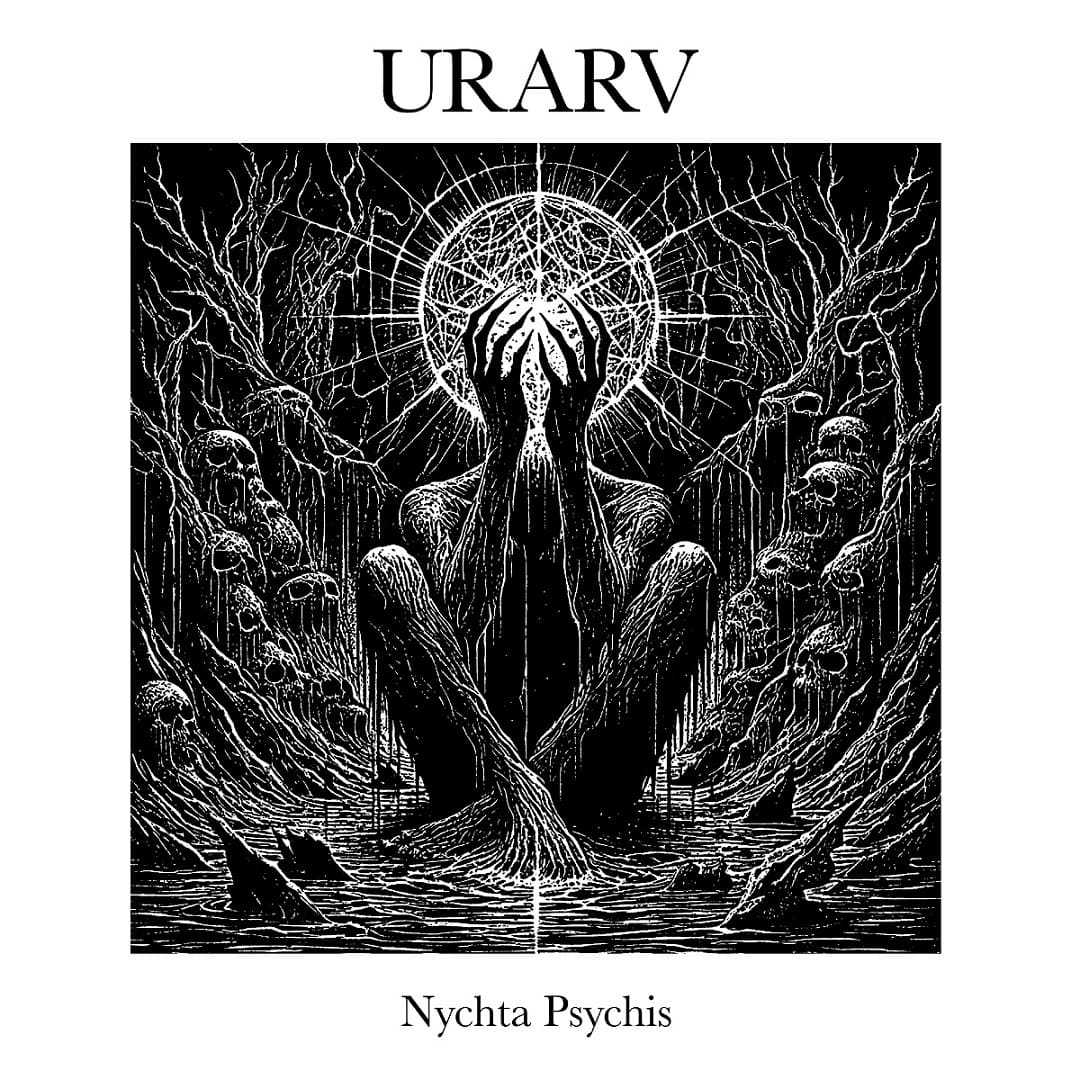
Nychta Pschis was released on Darkness Shall Rise Productions. Urarv play “idiosyncratic black metal insanity” by virtue of being “Norwegian weirdos.” In practice, this means they play something of a blend of black and roll, 2nd wave black metal, and progressive metal. Sort of like if Enslaved switched places with their doppelgangers from Star Trek’s evil alternate universe. People who typically shy away from black metal may find Nychta Psychis to be a comfortable landing point, both due to the relatively clear production and varied vocals and due to enthralling songwriting.
The riffs on Nychta Psychis don’t fit into the songs like typical black metal riffs. They blend into Urarv‘s complete sound as a piece of a whole rather than as the star attraction. They are still the lead instrument, and Urarv‘s guitar work is worthy of praise, but the band’s cohesion leads to vocals that carry weight and expression closer to something like Current 93 than Mayhem and drum emphases that feel like integral elements rather than fills.
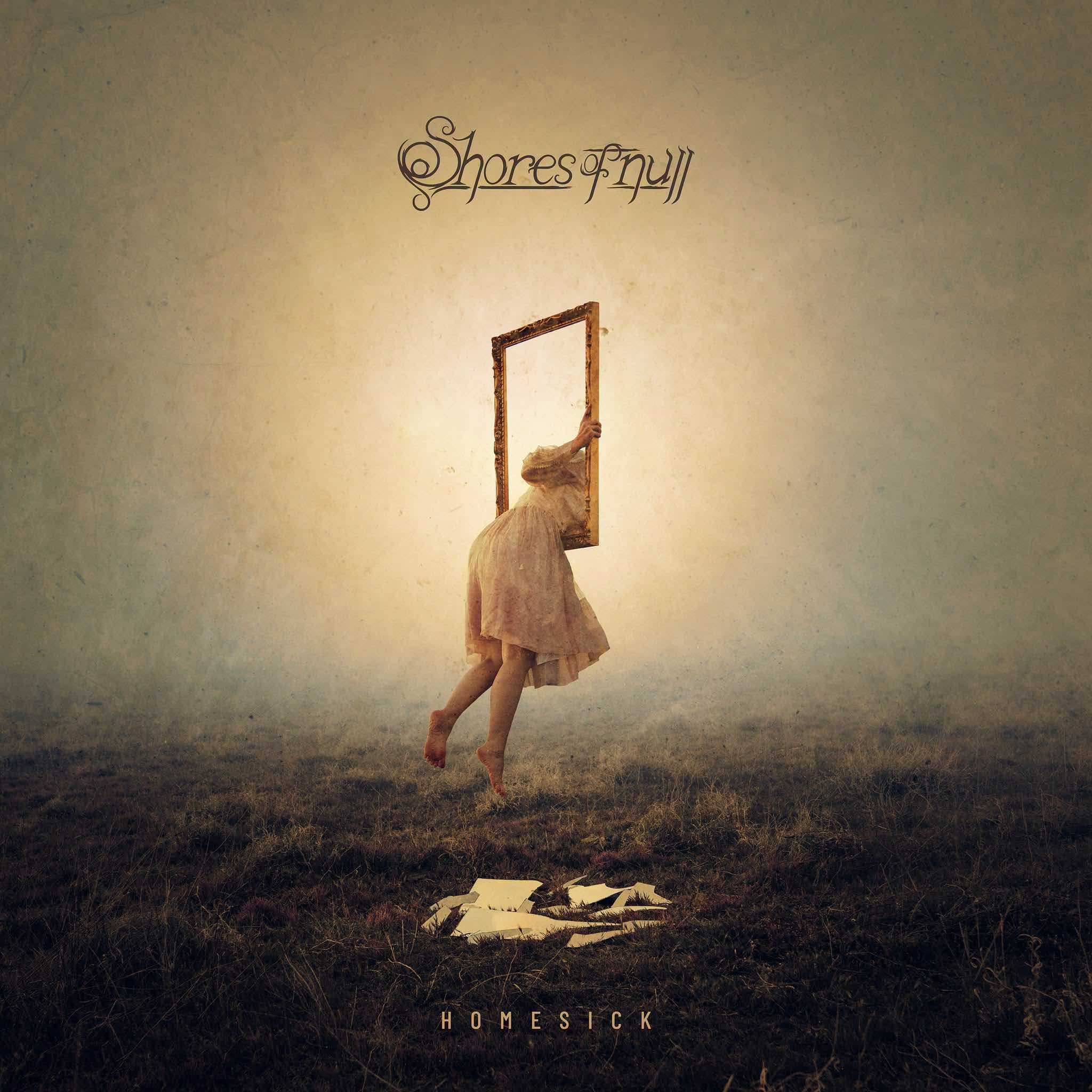
Homesick was released on Dusktone. Shores of Null have yet to miss, but Homesick is my favorite release from them so far. Partially this is due to how strongly the Woods of Ypres influence shines through here. Additionally, every Shores of Null album shows more melodic prowess, and greater ability to blend the morose depths of their doom metal structure with a harsher exoskeleton. Homesick is still purely and unambiguously doom, but it’s doom that’s spent a bit of time listening to newer Amorphis records
Shores of Null know how to write a chorus, they know how to blend their melodies into one another, they know how to get said melodies absolutely stuck in your ear even as you’re trying to write about other bands, and they know how to tie all of their individually great ideas together into a statisfying package. The band does so many little things well, such as the eighth notes at around the 1:45 mark of “Bleed to Life.” these notes are played with more precise tone and articulation than a lesser band would have used. Care used in little moments such as these leads to the songs having more life, especially when the motif is repeated as a lead at around the 3:00 mark. This simple pattern was embued with meaning, then carried throughout the song to give structure and familiarity as the music reached a climax. That’s music made by people that care. Also, the harmonies on Homesick are just so satisfying.
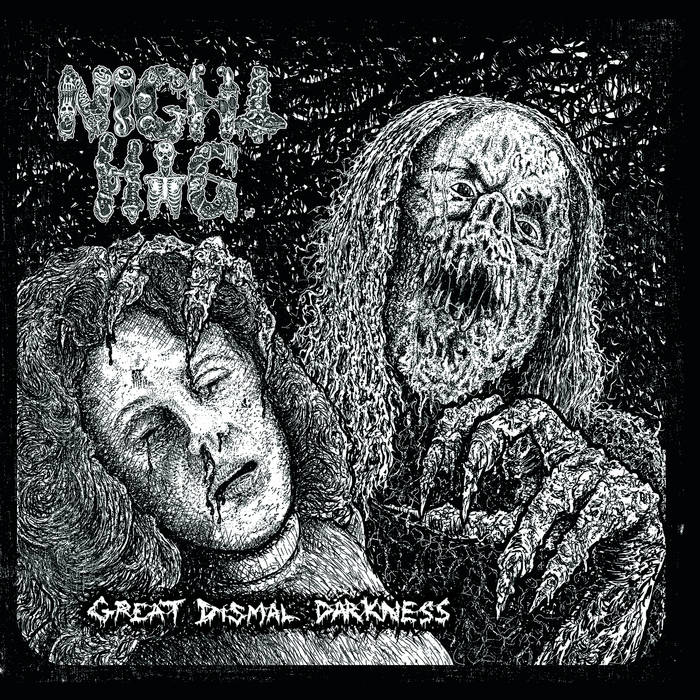
Great Dismal Darkness was released on Rotted Life. Night Hag play cavernous death metal, complete with deep vocals, blast beats, enticing riffs, and a sketchy production job. Ok, the band actually describe themselves as being death/doom, but it didn’t feel right to call them that right below a blurb about Shores of Null. This is a fundamentally different beast. The goal is to be as nasty and unfriendly as possible, and Night Hag wildly succeed.
The bass plays a prominent role throughout Great Dismal Darkness. First, that means that the production actually allows you to hear the bass, which puts this album ahead of a good chunk of the competition, and second, that means that the bass isn’t just mirroring the guitar lines. But most importantly, it means that Night Hag‘s songwriting has depth beyond “write good riff and put blast beat under.” A little intention goes a long way, and Night Hag have given their listeners some gunk that is positively throbbing with intention. It all works because the band knows how to write a good guitar line, but, you know. Throbbing gunky intention. A positive in this case.
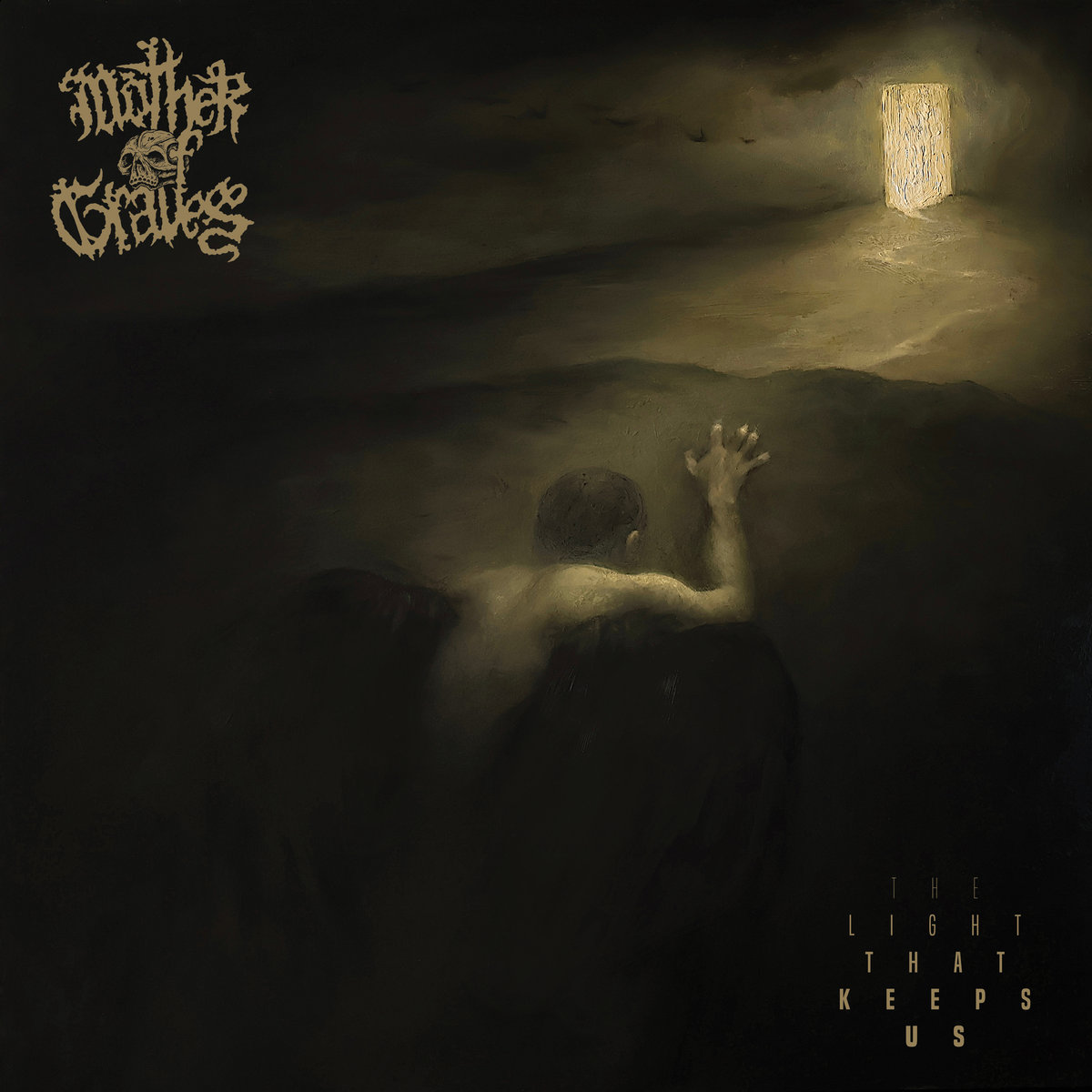
The Light That Keeps Us, released on Profound Lore Records, continues the band’s tradition of harsh, atmospheric…well, death/doom, but not at all death/doom like Night Hag. Or Shores of Null. Or Worm Altar. This genre tag is fucking useless. Anyways, this is Mother of Graves third full length, and it’s their third time knocking it out of the park, and if you’re reading this you’ve probably already listened to it. Mother of Graves play death/doom in the slow, sad, and scenic corner of the subgenre. They go back and forth between full-blown death metal howls and whispered spoken word, and they make both sound like agonized confessions. They write beautiful riffs, when they’re not vamping on a frowning chord while another instrument has the spotlight. And it all fits together seamlessly.
The theme of this post is details, and Mother of Graves do those well. The band treats passing notes and turns like an addict treats crack, and they work every time. These ornaments make the melodies on The Light That Keeps Us sound both flourishing and barren. They let the band slow down their sound without risk of growing boring. My only complaint about this album is that I want more from the vocals and from the drums, both of which sound excellent, but aren’t used to the fullest extent.
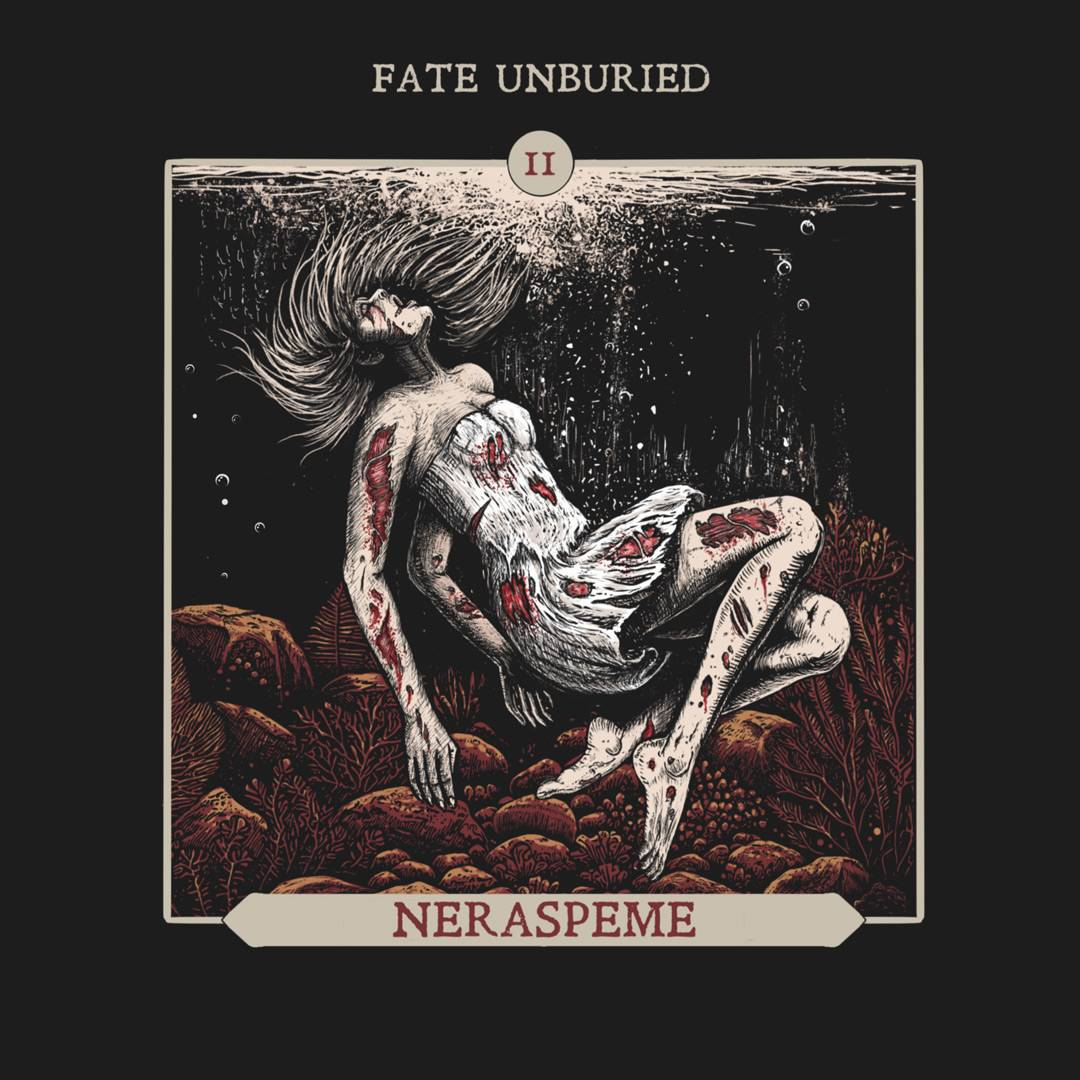
Neraspeme was a progressive death metal album released on Time to Kill Records. From the beginning Fate Unburied give us tight performances, with staccato punches in the drums and guitars supporting each other in mostly unison, which sounds like an absolutely pain to play. From there, Neraspeme unfolds as a monument of death metal arrogance, blending a Meshuggah-like approach to playing eighth notes with thrash and groove-infused vocal pizazz.
Fate Unburied know when to play everything all at once, and they know how to drop out whatever they want to let a particular instrument shine. They do both plenty. The resulting kaleidoscopic death metal album never sounds boring. The band loves their abrupt stops, and they made me love them too over the course of Neraspeme.
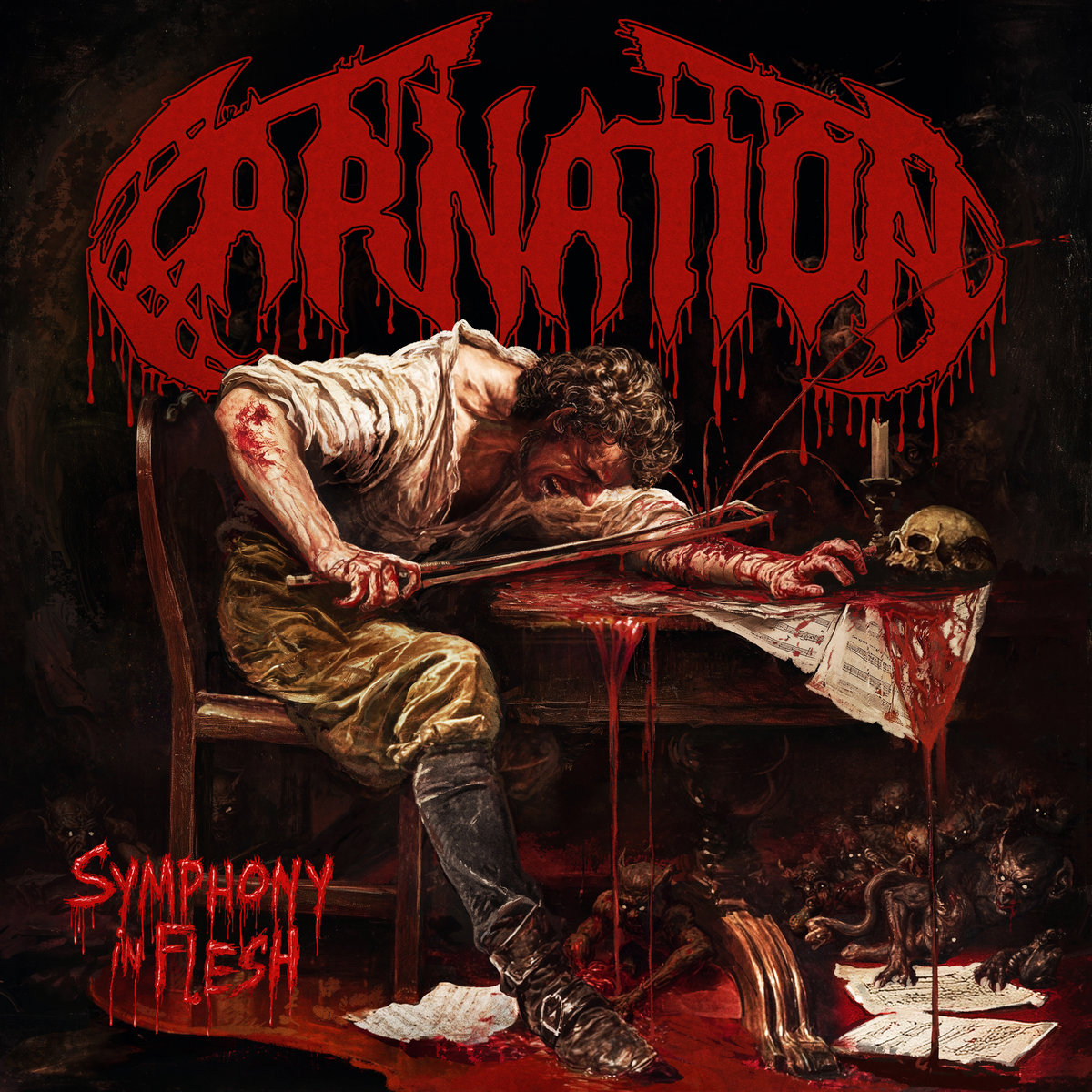
Symphony in Flesh was released on Redefining Darkness Records. This band sounds like someone threw Revocation and Entombed in a blender. Carnation play plenty of chugging with syncopated blast beats in a separate part of the mix. This isn’t meant to sell their songwriting short, they built out complete songs from that base, but it’s something that hasn’t changed from their previous releases and it’s becoming one of the defining features of this band’s sound. They use this core to write music that is moshable, familiar, unique, and fun.
There are some spectacular guitar solos on, or in, Symphony in Flesh. I also have a soft spot for the vocals, which are more hardcore-infused than some of the band’s more brutal brethren would tolerate. But that core syncopation in the blast beats and sometimes in the riffs keeps this album alive. It’s just such a satisfying sound, and Carnation do so much with it throughout the album.
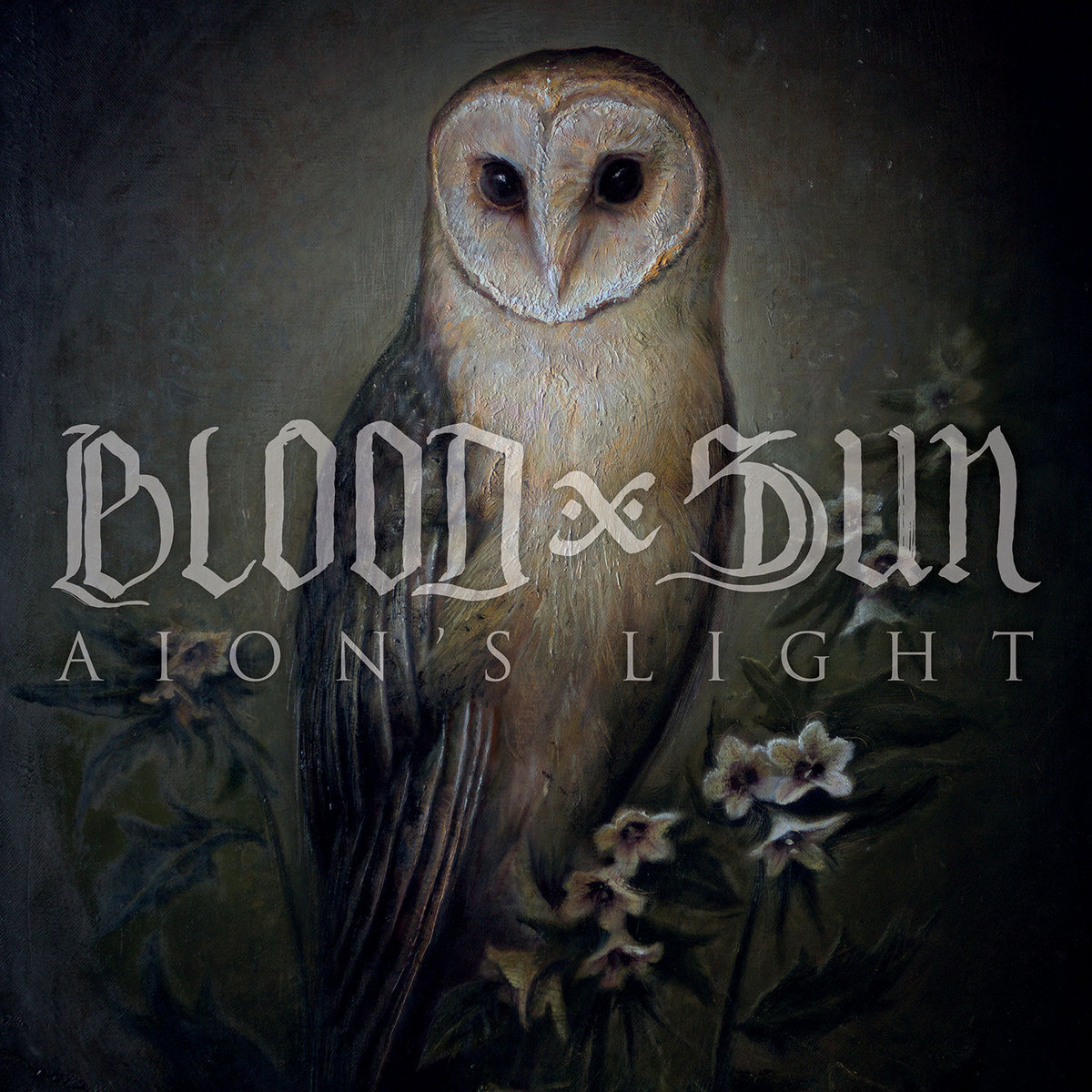
Aion’s Light opens with some very out of tune guitars and vocals that were recorded a room over from the microphone. This old-sounding folk album was released on Nordvis. The rustic aesthetic appeals, especially when it’s hiding some good musicians. The vocalist is the star of the show here, with some fairly precise vibratos and bends played off as easy. Aside from that marvelous performance, this album sounds like it was transported from another dimension. Every flat note was placed exactly to be more scenic than offensive. Autumn Brigade and Current 93 fans will find something to love here.
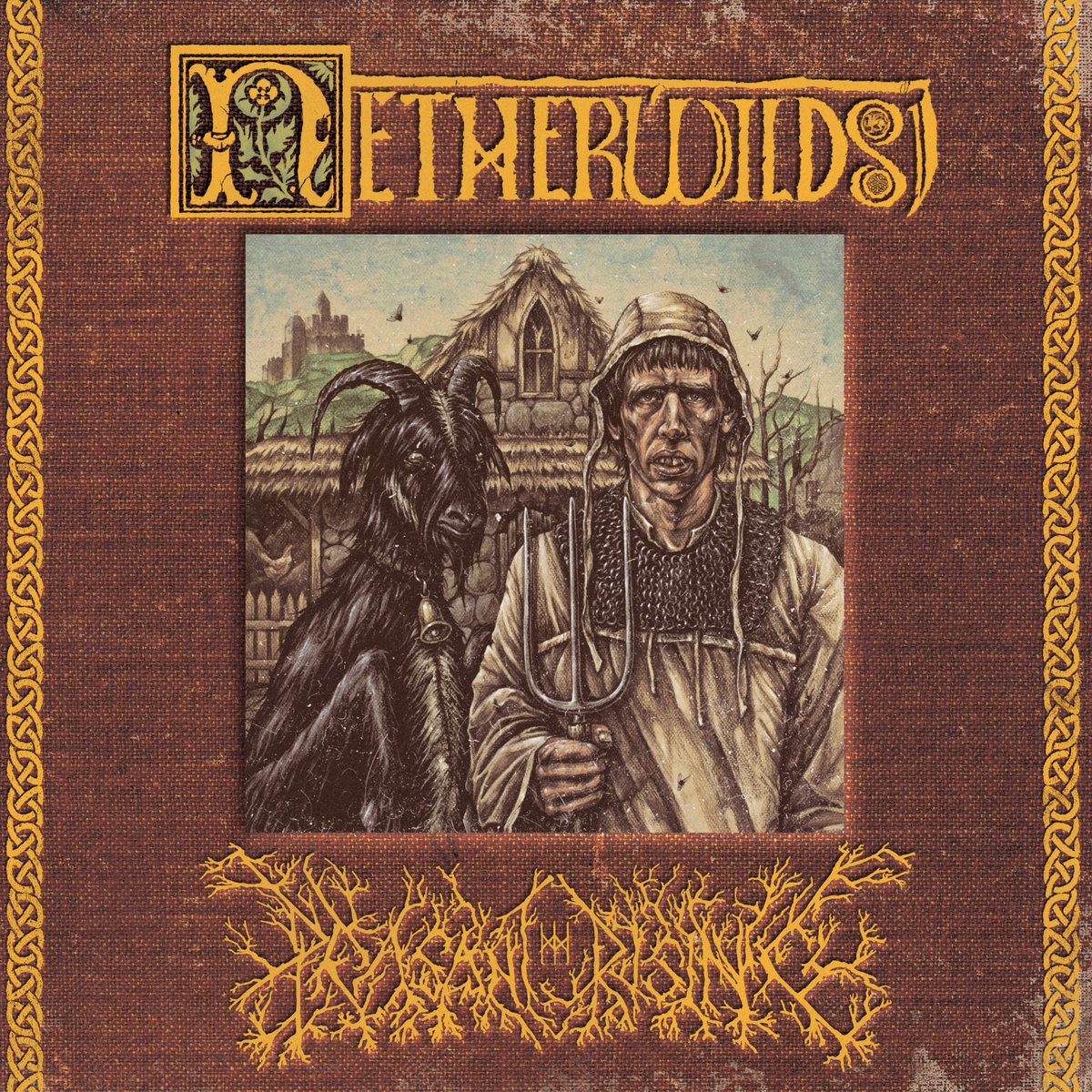
Peasant Uprising actually came out on October 9th on King Volume Records, but I missed it at that time and I need to talk about this now because it’s one of the weirdest blends of sounds that I’ve heard this year. This is a punk album at its core. Outside of the whispers and spoken word sections. And the very prominent folk influence. And the whole “peasant from the 1400s” theme that is unavoidable even if you do your best to avoid the lyrics. This is like Dead Kennedys meets Refused meets a slam poet meets the most annoying theater troupe you’ve ever seen meets Karl Marx meets a power metal band that definitely influenced them even though it’s buried farther than everything else meets…I don’t know, SikTh? I cannot stress enough how weird this is and how much you need to listen to it.
Once you get over the freakish nonsense of it all, you realize that Netherwilds can play their instruments. And the aesthetic matters a lot here, I’m not used to spoken word skits that I care about this much. And there’s so much personality here, conveyed with care and with talent, that it’s easy to take an excellent guitar solo for granted. At its core, Peasant Uprising is an excellent mixture of sounds that shouldn’t work together but do because of Netherwilds‘ commitment to excellence and heartfelt performance. Then they added so much on top that my brain barely recognizes this as album.
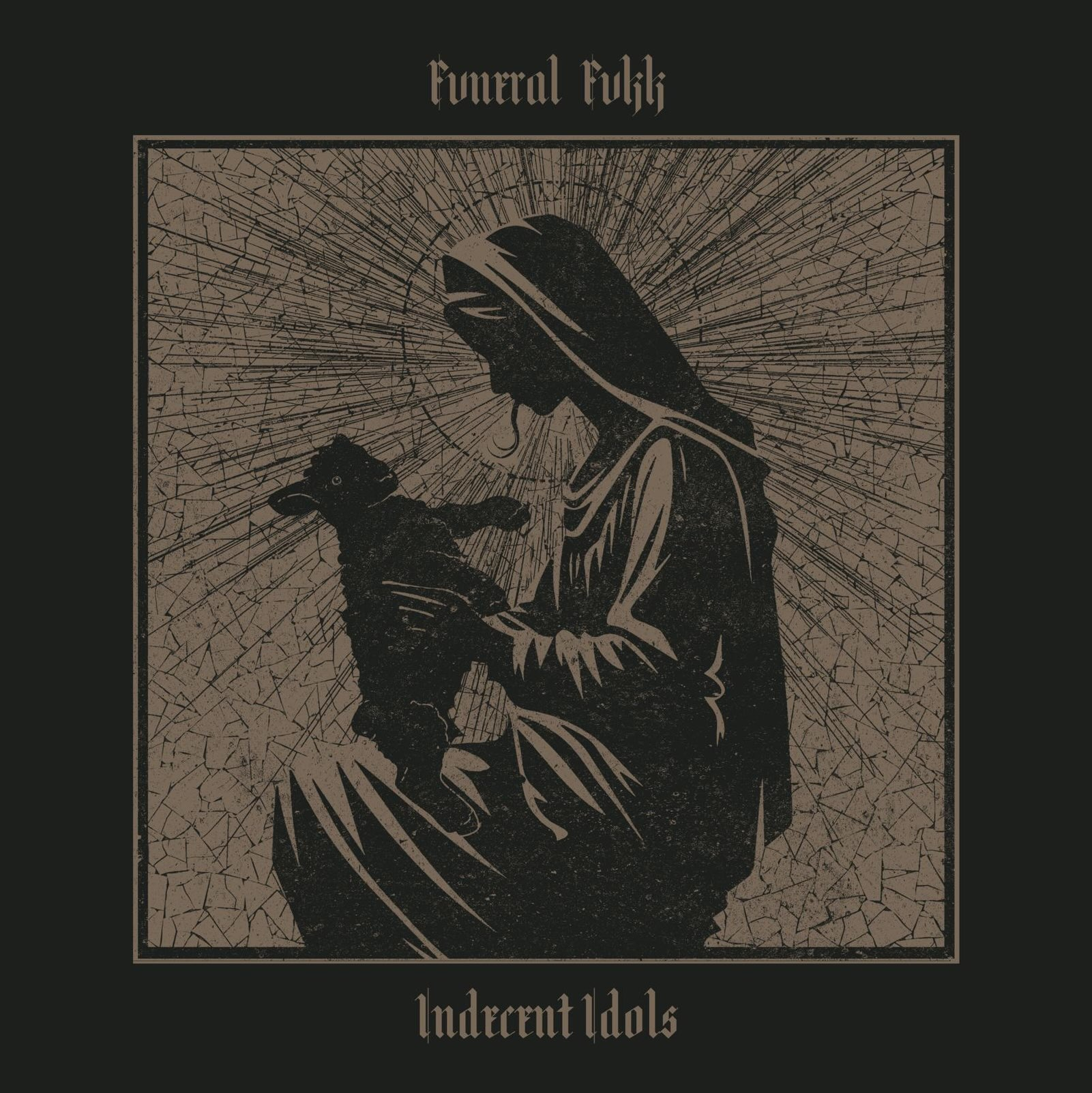
The worst-named band in history is back, this time on Dying Victims Productions. Indecent Idols is another excellent doom metal release about the sins of the church, packed with contemplation, empathy, and yearning for a better world. I have not heard a doom metal band that does a better job conveying regret. It’s just marvelous to me that they didn’t change their name. Fvneral Fvkk managed to find a unique guitar tone that forms the backbone of their sound and then added lyrics that require a content warning to talk about. This is an album, and a band, that feels more important than a quick statement can convey, so I will just say that you need to pay attention to this.
The Topology of the Lungs was a 1970 free jazz album released in 1970 by Evan Parker, Derek Bailey, and Han Bennink. It gained notoriety for being difficult to obtain, which is no longer an issue in the youtube regime, but also for being one of the weirdest, most difficult jazz albums in existence. And the first time I listened to Parallax, released on Amalgam, my brain was instantly teleported back to the first time I listened to The Topology of the Lungs. Yes, jazz people reading this, there are nuanced reasons why these are completely different and I don’t know the first thing about jazz. Fine. But that feeling of landing in a weird, alien world was the same, as way the feeling of unease, of genuine discovery, and of abrasive indifference.
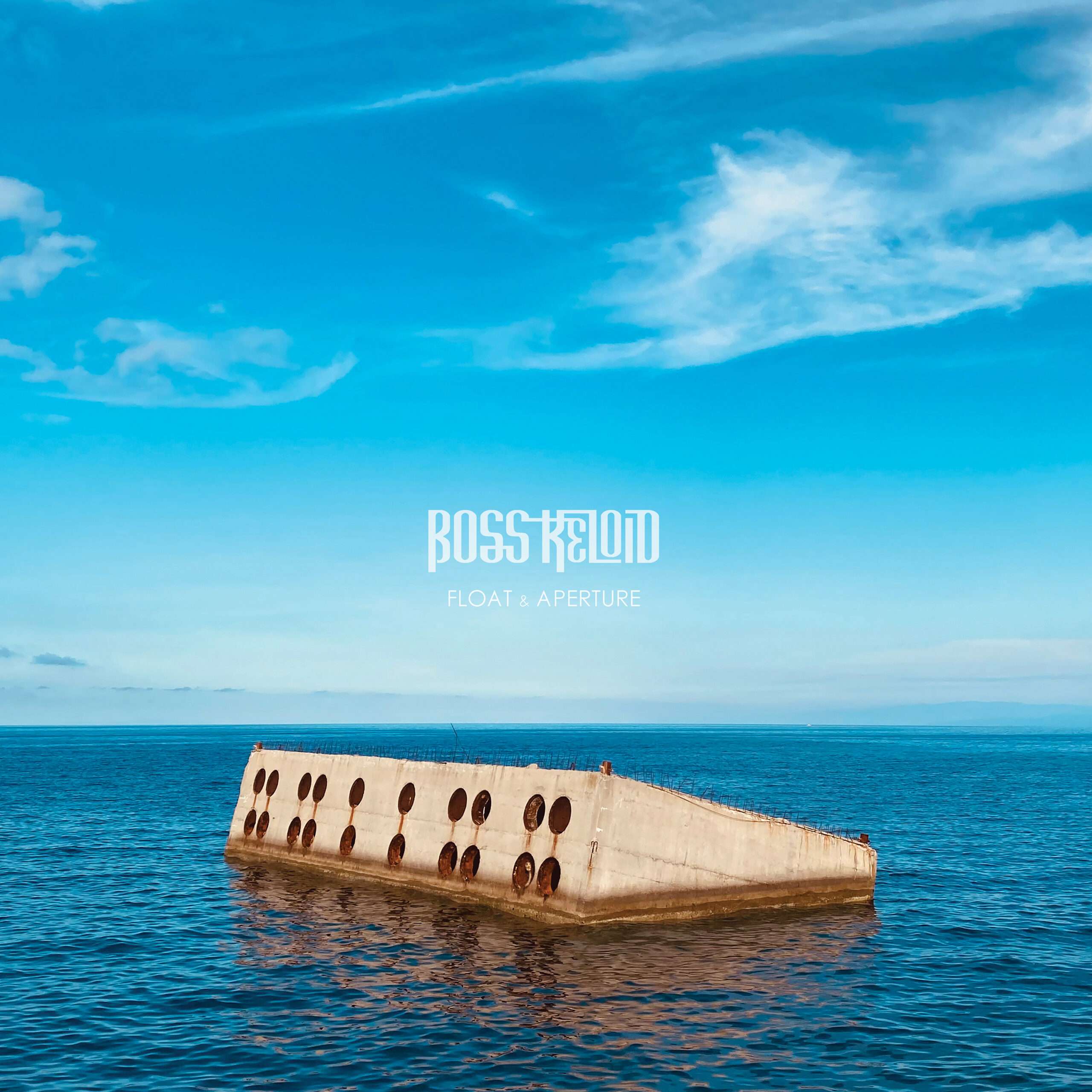
Boss Keloid have been a name in the prog world for a minute now. Float & Aperture was released on Church Road Records, and I don’t know what to think of this one. The music is intricate and enthralling. The band puts on a good performance. Is this my favorite Boss Keloid album? Probably not right now, but maybe it will be in three years. That’s the problem with prog in a capitalist world: By the time you’ve formed an opinion on an album like this the band is plugging a different one. In any case, this is more prog rock than prog metal, with a prominent blues base and clean(ish) guitars.
Float & Aperture write prog rock, but they still know how to form a fun melody. You could sing along with a good chunk of this album (I couldn’t, but you could). And yet the music feels out of grasp. Boss Keloid play around with rhythms and extra notes and spaced tacked to the end of their melodies to keep the listener on their toes. The result is another satisfying album from modern rockstars. But that’s what it is, another satisfying album, not something that sounds meaningfully different than their last few releases. If you’re new to the band absolutely listen to this, and if you’re old to the band this is more of what you love. But it feels like Boss Keloid have something in them beyond “excellent.”
The Ocean, Burner, Hippotraktor, Critical Defiance, Wharflurch, Servant, Temic, Morbid Stench, Esoctrilihum
Green Carnation, Kraanerg, Shannon Jae Rideout, Venomous Echoes, Nils Lassen, Filth, Green Lung, Anthrax, Krallice,…
Altarage, Ceremonial Worship, FireFlame, Nothingness, Hulder, Neptunian Maximalism, Ceremony
Arise From Worms, Wailin Storms, Black Sites, Carbon Tomb, Emptiness, Fuming Mouth, Faustian, Horns Of…
Soothsayer, Witchsorrow, TodoMal, Seven Chains, Alkuharmonian Kantaja, Vortex Sutra, Warning, Devourment, Avarice, Thaetas